
Succession
The second generation is rarely the problem
When family wealth fades, people tend to blame the heirs. More often, the real cause was set in place long before they inherited anything.
Hofwijck Family Office · The Hague
A private family office in The Hague, caring for family capital across countries and generations.
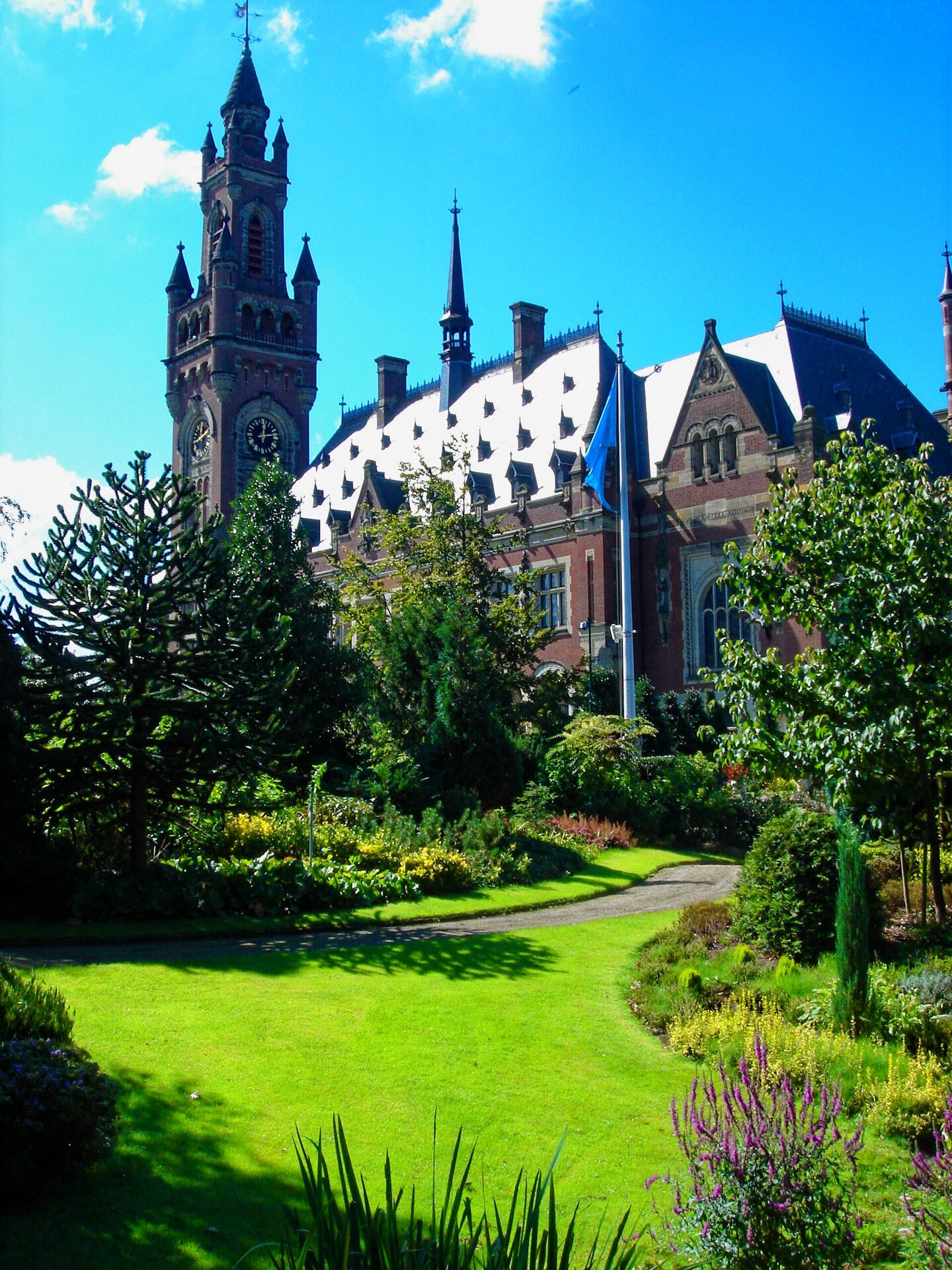
The Peace Palace, The Hague
The name
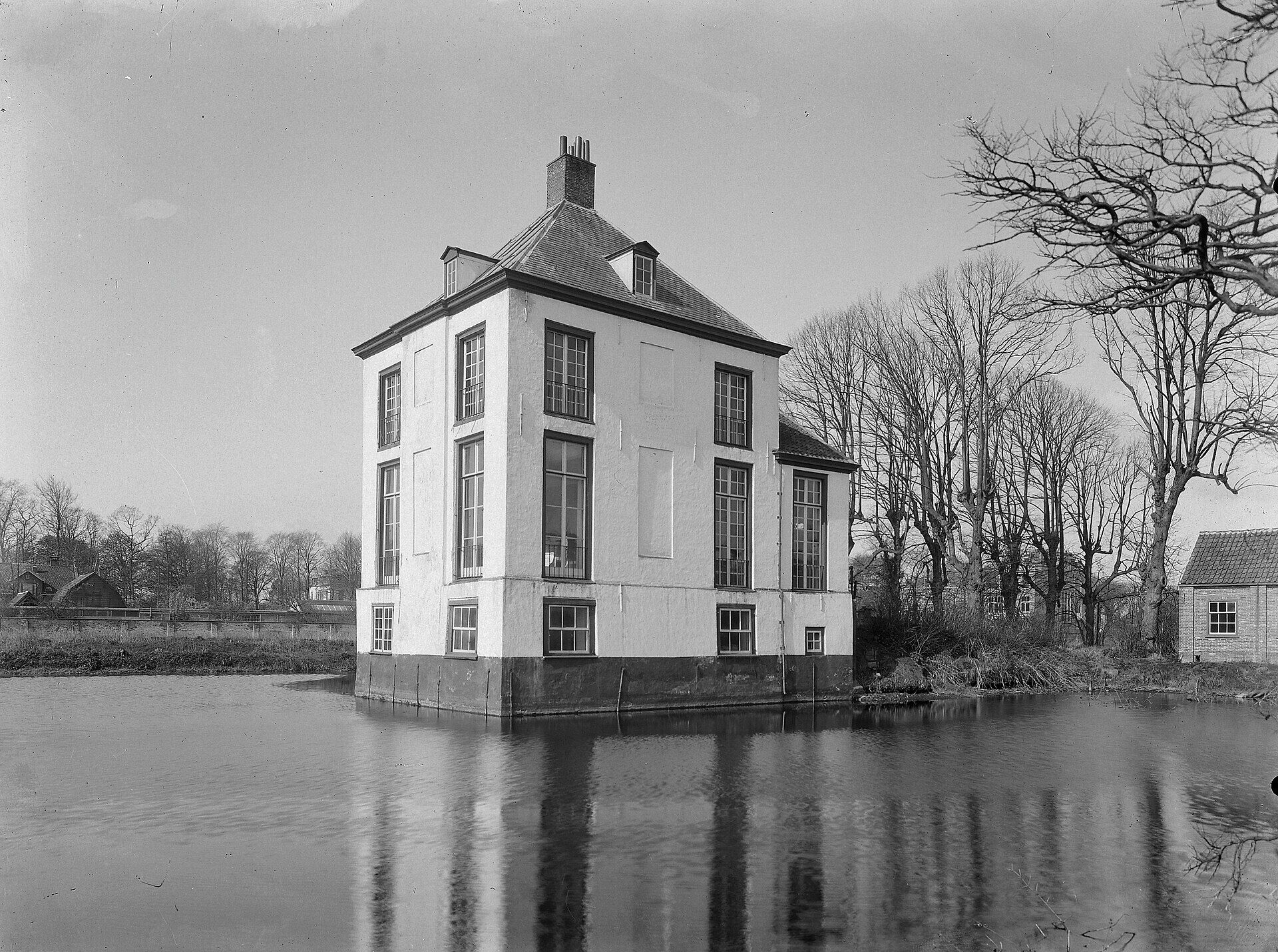
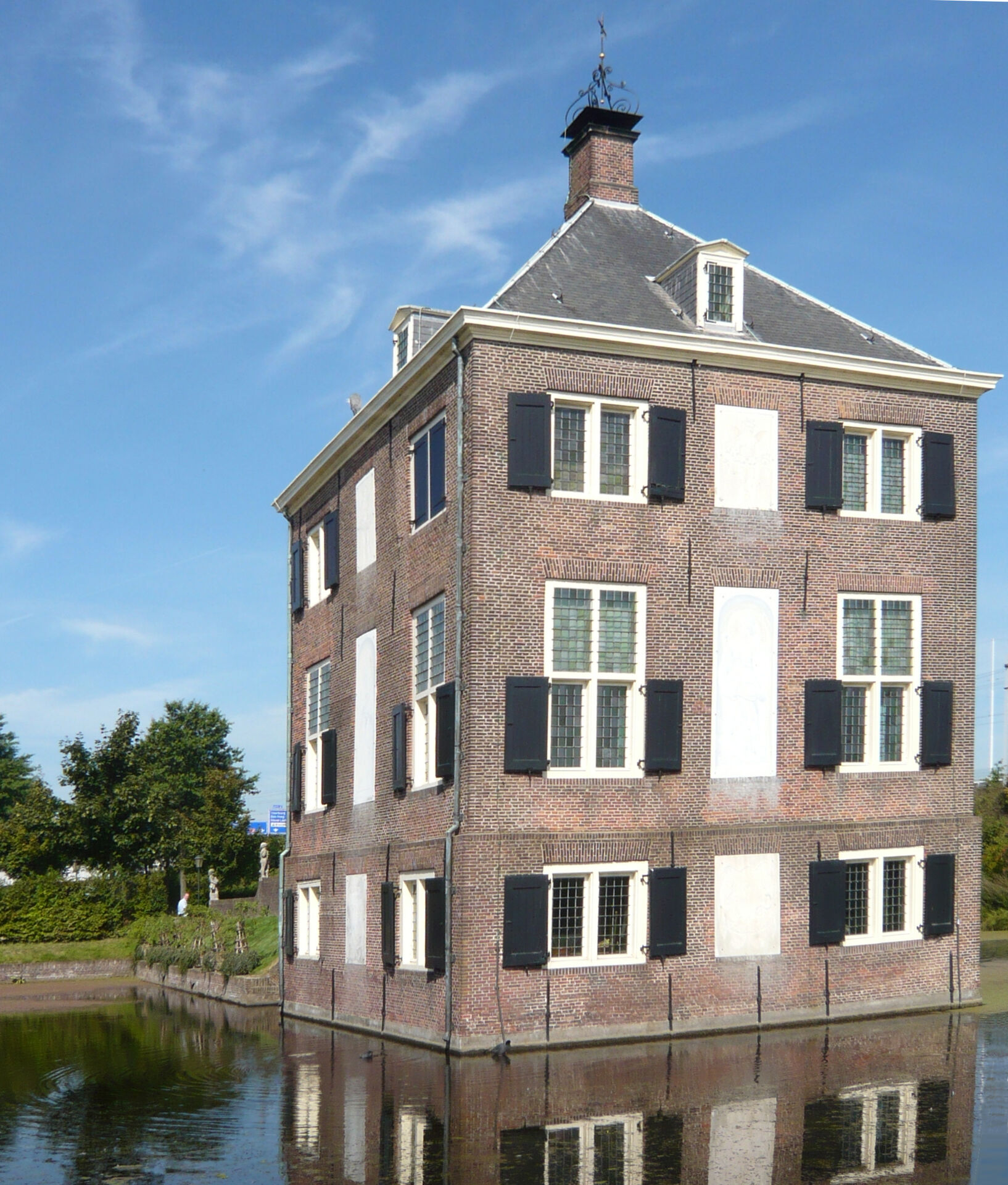
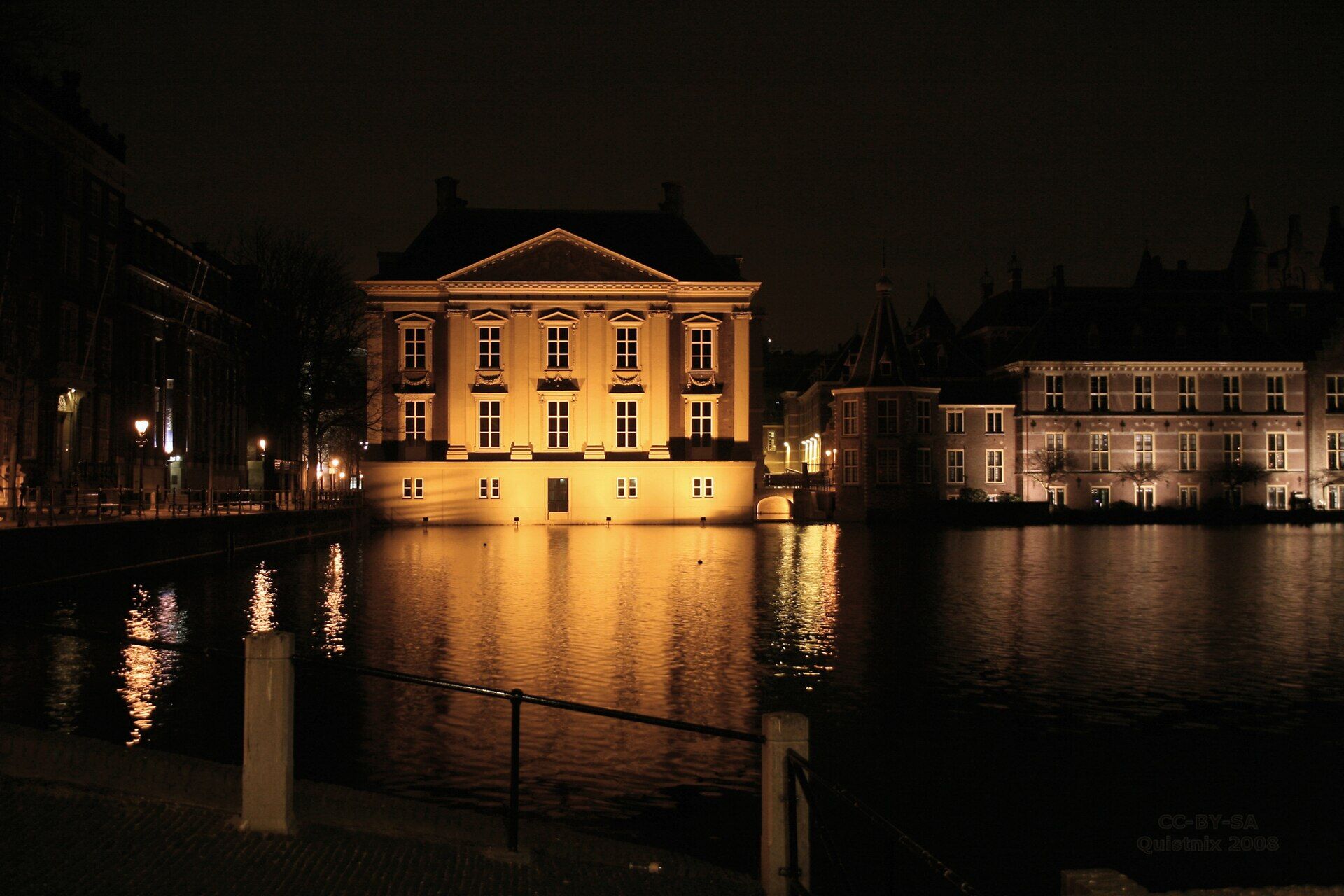
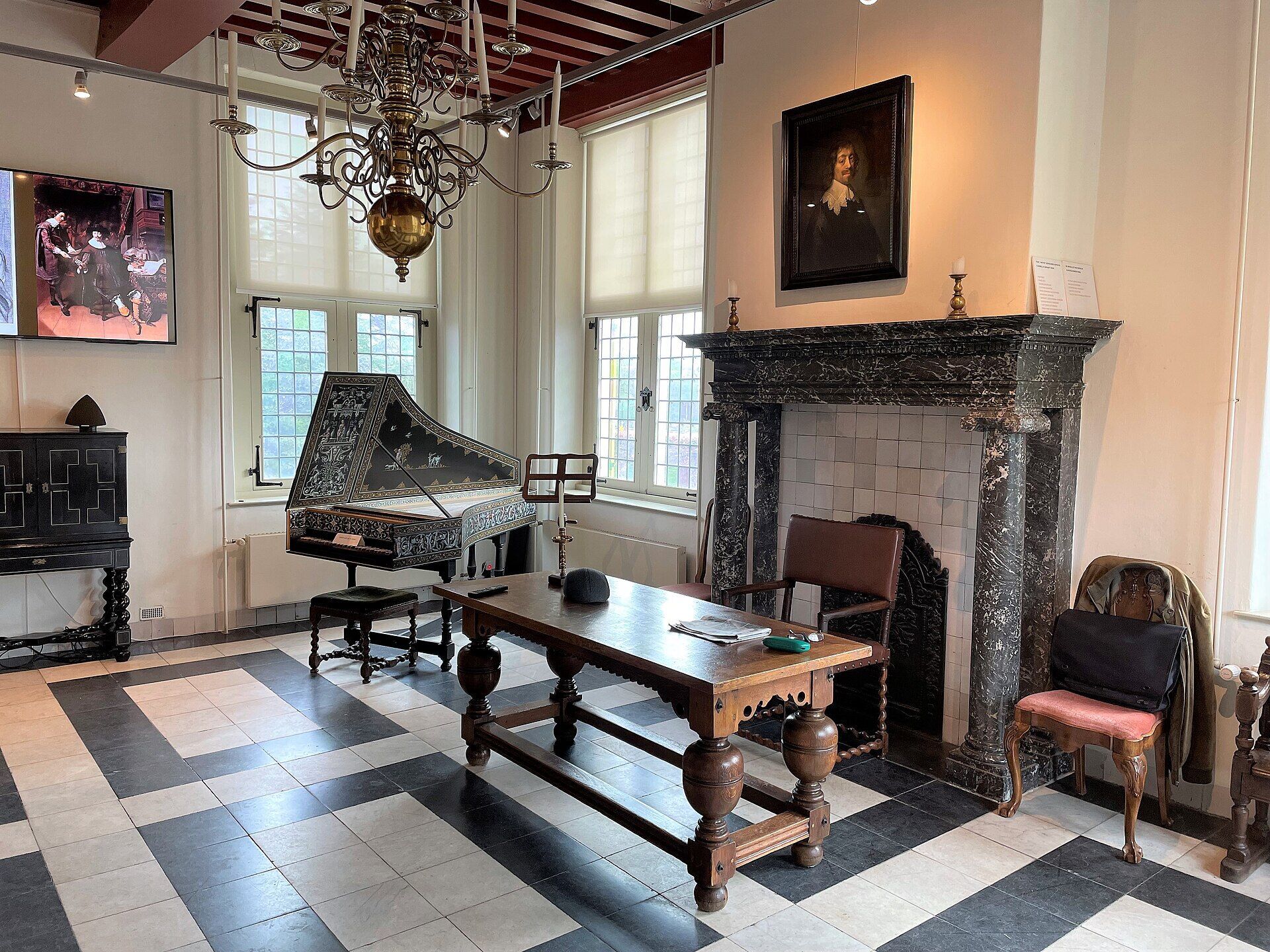
In 1641 the poet and diplomat Constantijn Huygens built a small country house on the edge of The Hague. He called it Hofwijck, a retreat from the court. It stands in its own pond, surrounded by gardens he designed in the proportions of the human body.
Huygens raised a remarkable family there. His son Christiaan, who discovered the rings of Saturn and invented the pendulum clock, spent his final years in the same rooms.
We chose the name because it describes what a family office should be. A quiet place, close to the world but not swept along by it, where a family can think clearly about what it owns and what it hopes to pass on.
What we do
Most families we meet already have good advisors. What they lack is someone who sees the whole picture and makes sure the pieces work together. That is our role.
A single, clear view of everything the family owns, wherever it is held, and someone who takes responsibility for keeping it in order.
We set the strategy with you, select and supervise the managers, and keep the portfolio honest against the goals it was built for.
Agreements, councils and habits that help a family make decisions together and settle differences calmly.
Preparing the next generation, planning transfers with your lawyers, and giving philanthropy a considered place.
Families today live, invest and pay taxes in more than one country. We bring the advisors in each place into one conversation.
A small number of families, a senior person who knows yours well, and complete discretion as a matter of course.
How capital is arranged
We divide a family's capital according to what it must achieve. Money for the years ahead is kept safe and accessible. Money meant to grow is allowed to be patient. Money intended for a future generation or a cause is held with that purpose in mind.
The example opposite shows how such a structure might look. It is a way of explaining our thinking, nothing more.
Illustrative example only. This is not actual holdings, a recommendation or a forecast. Every family's allocation is built around its own needs, time horizon and tolerance for risk.
Across generations
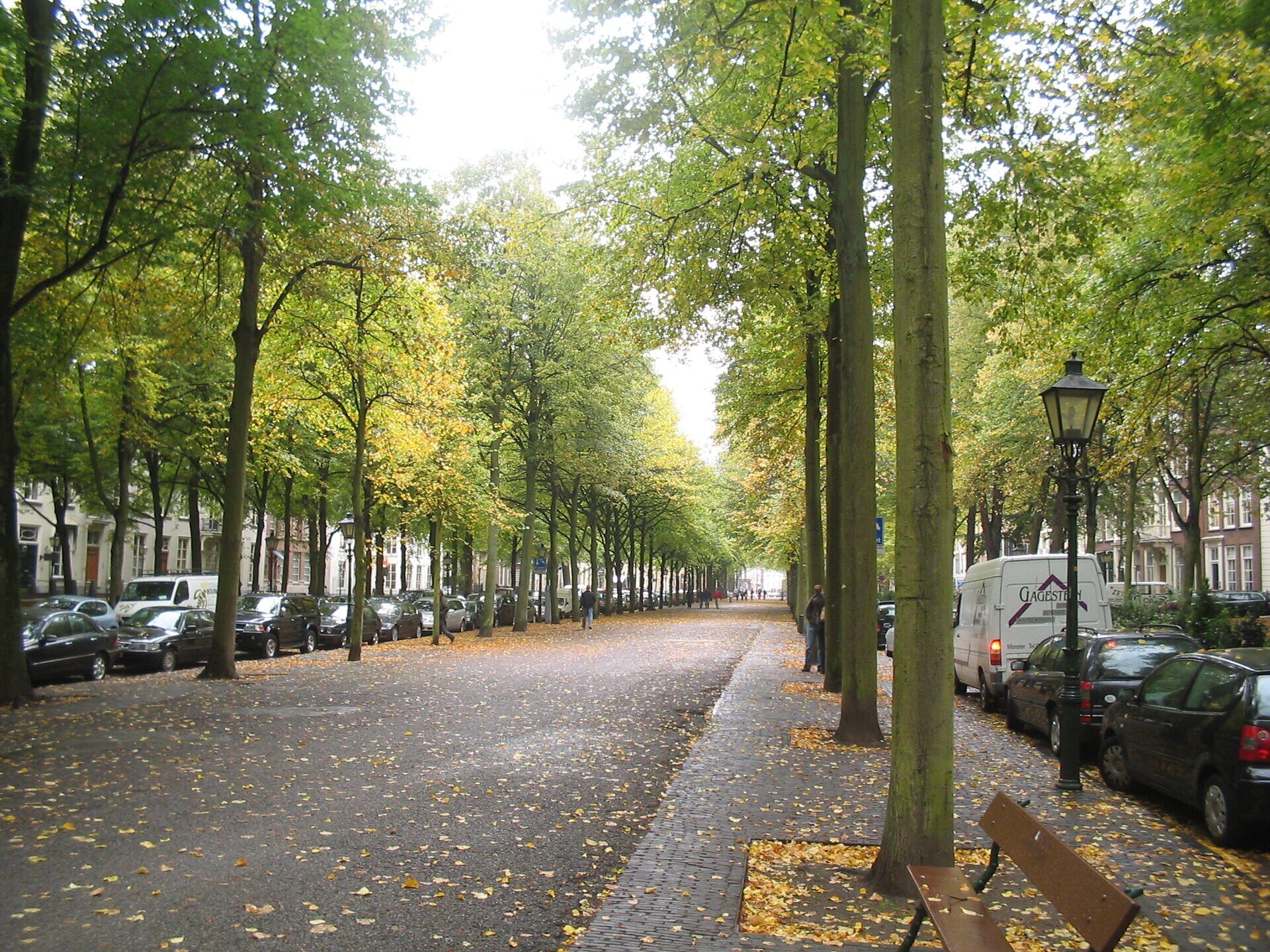
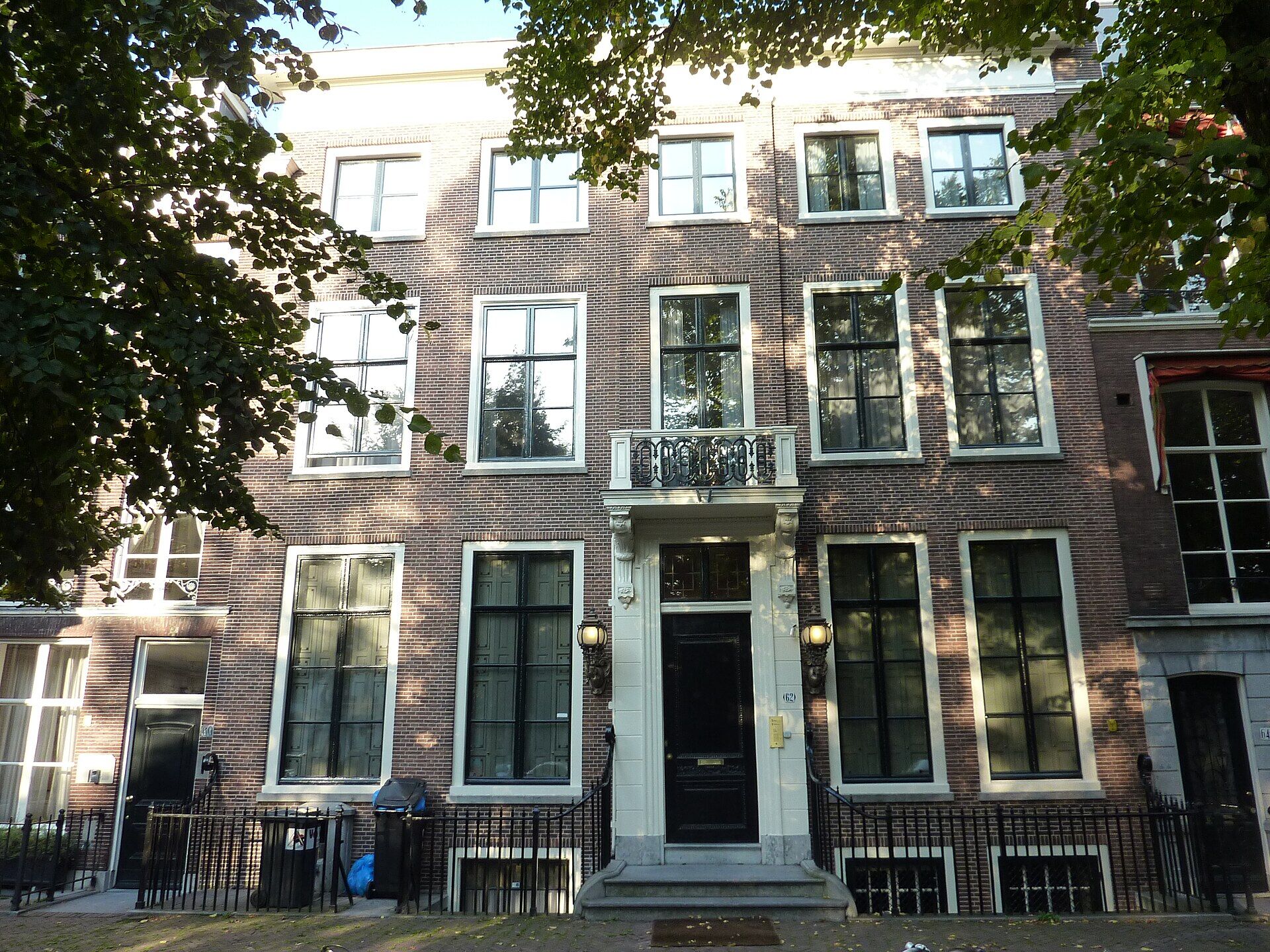
The limes along the Lange Voorhout were planted by people who knew they would never see them fully grown. Family wealth asks for the same patience.
Building and protecting what has been created, and writing down the reasons behind it.
Learning how decisions are made, taking a seat at the table and sharing responsibility.
Inheriting a structure that is understood, trusted and ready to be carried on.
Lange Voorhout in autumn
Legacy
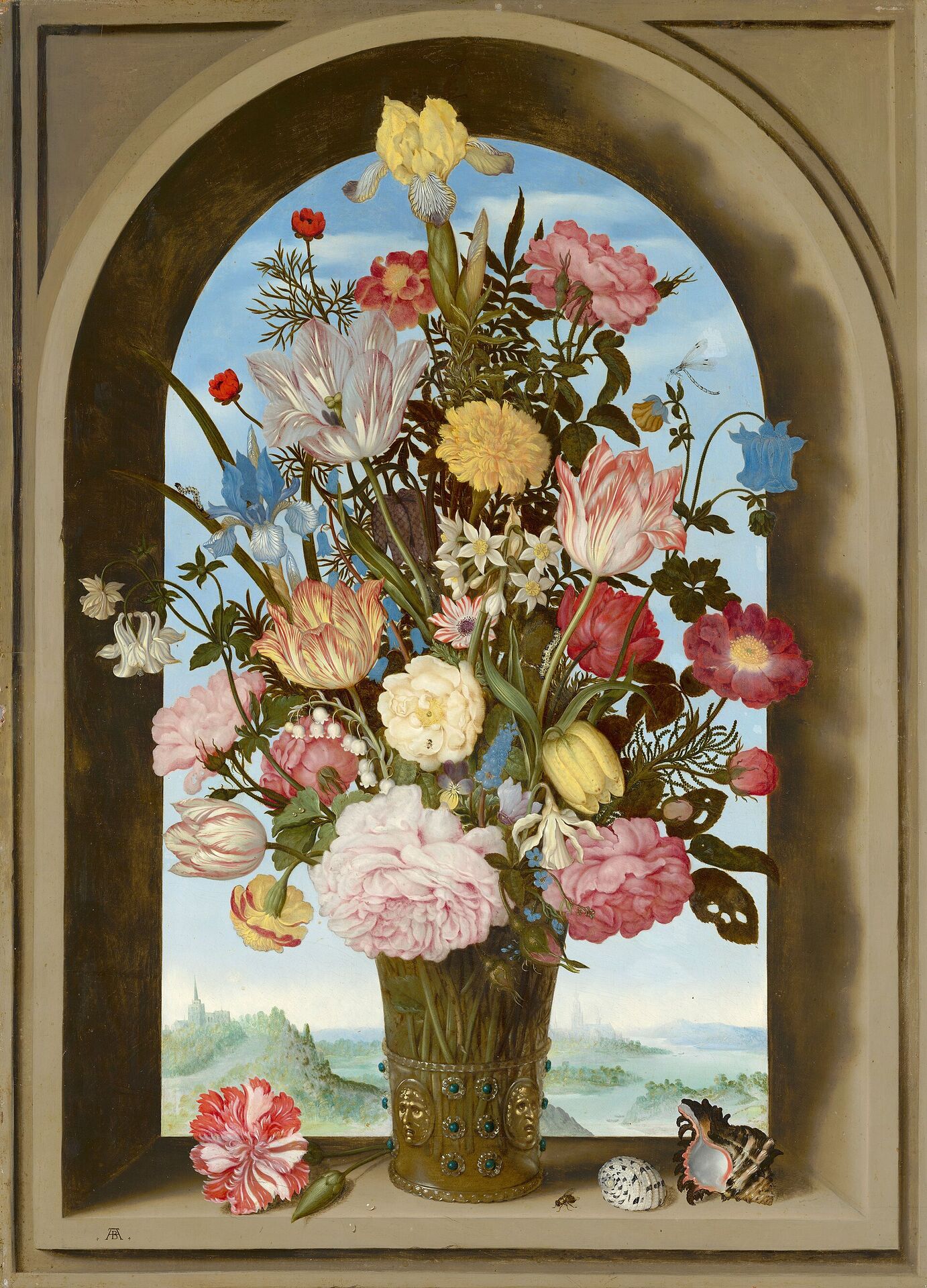
Bosschaert painted flowers that could never have bloomed at the same time, gathered into one bouquet for people who wanted to remember them. A legacy works in a similar way. It brings together values, stories, collections and causes that a family wants to hold on to.
We help families decide what they wish to preserve and how, from art and property to foundations and the simple habit of meeting once a year to talk.
Our city
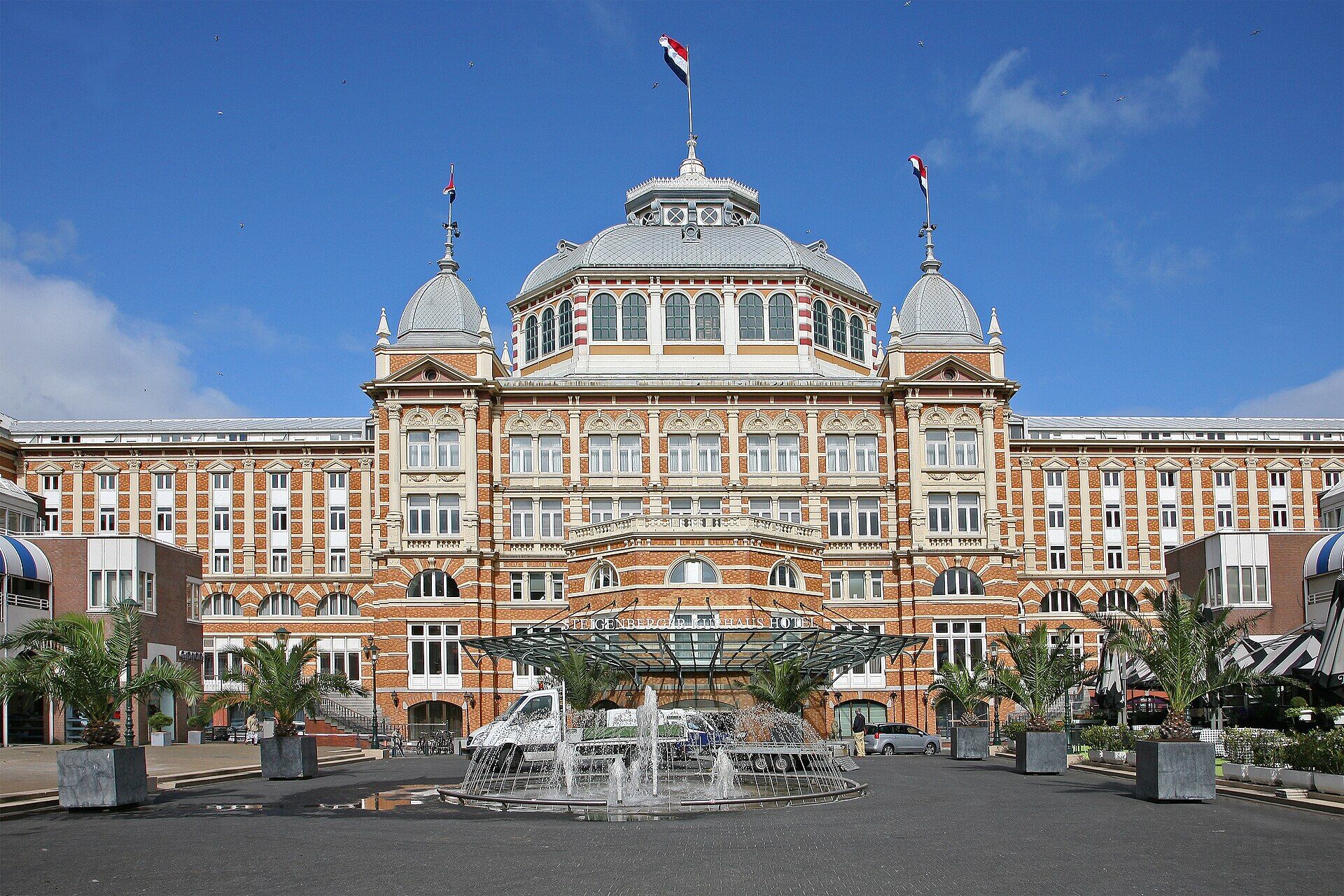
For centuries this has been a city of courts, treaties and quiet negotiation, with the North Sea a short ride away. It suits the kind of work we do.
Insights
Succession
When family wealth fades, people tend to blame the heirs. More often, the real cause was set in place long before they inherited anything.
Investment
Keeping capital intact over decades sounds passive. In practice it asks for steady judgement, clear rules and the confidence to do very little when little is needed.
Governance
The phrase sounds formal and slightly intimidating. At heart it is a written agreement about how a family wishes to make decisions together.
By introduction
If you would like to talk about your family's priorities, we would be glad to arrange an introduction. There is no obligation and no presentation, only a conversation.